How I Spotted the Red Flags in My Kid’s Art Classes—And Saved Thousands
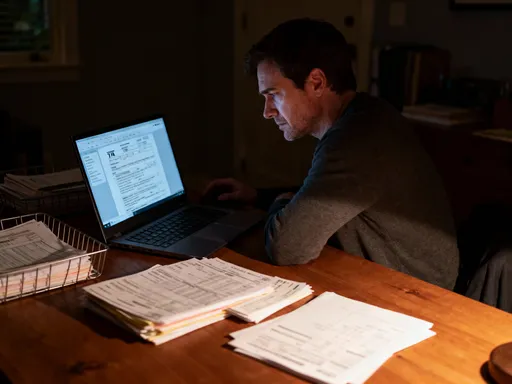
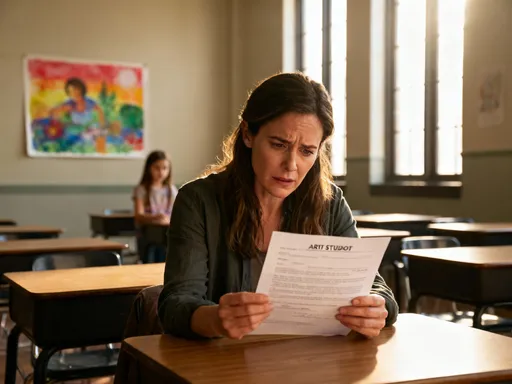
We all want the best for our kids, especially when it comes to creative growth. But when I started investing in my daughter’s art training, I didn’t realize how easily emotions could cloud financial judgment. What felt like a nurturing choice turned into a money pit—until I learned to spot the hidden risks. This is how I shifted from blind spending to smart investing in her artistic journey. At first, every dollar spent seemed justified: premium classes, specialized materials, portfolio-building workshops. Yet months passed with little visible progress. The realization came slowly—this wasn’t just about supporting talent. It was about managing a long-term financial commitment with unclear returns. Like many parents, I had confused emotional value with actual value, and the cost was adding up faster than the skills.
The Dream vs. The Bill
For many parents, enrolling a child in art classes feels less like a financial decision and more like an act of love. The idea of nurturing creativity, building confidence, and unlocking potential is powerful—and deeply emotional. This emotional weight often overshadows practical considerations, especially when it comes to cost. Parents see art education as an investment in self-expression, not a line item on a spreadsheet. But when passion drives spending without scrutiny, budgets can spiral. The initial allure of a vibrant studio, smiling instructors, and colorful student displays distracts from a critical question: what measurable outcome justifies this expense?
Consider the family who pays $150 per month for weekly drawing lessons, believing their son shows ‘real promise.’ They attend seasonal exhibitions, buy recommended supplies, and eventually enroll in a $500 summer intensive—all because the teacher said, “He has a gift.” Yet, after a year, the child’s technique has barely advanced. There’s no structured progression, no feedback system, and no clear curriculum. The emotional payoff—seeing their child engaged—feels sufficient, but financially, the return is minimal. This is a common pattern: the dream of artistic development masks the absence of tangible results.
The gap between perceived value and actual value grows when studios emphasize inspiration over instruction. Phrases like “fostering imagination” or “building confidence through creativity” sound meaningful but lack accountability. Without defined learning goals or skill benchmarks, parents have no objective way to assess progress. This makes it difficult to determine whether continued investment is justified or if the program has simply become a recurring expense with diminishing returns. Recognizing this disconnect is the first step toward smarter financial decision-making.
Moreover, the pressure to support a child’s “potential” can lead to overcommitment. Some parents fear that pulling their child out of a program might stifle their talent or send a discouraging message. This emotional hesitation prevents honest evaluation. But financial responsibility and parental support are not mutually exclusive. In fact, being discerning about where and how you spend on art education is a form of responsible parenting. It ensures that resources are directed toward programs that deliver real growth, not just warm feelings.
When Passion Meets Price Tag
Art education costs extend far beyond the monthly tuition. While a studio might advertise classes at $40 per session, the true financial burden includes transportation, specialized materials, portfolio development fees, competition entry costs, and optional workshops. These additional expenses are often presented as “opportunities” rather than costs, making them easy to overlook. Over time, however, they accumulate into a significant financial load. A program that starts at $1,000 per year can easily exceed $3,000 when all associated costs are factored in—especially if the child participates in exhibitions, contests, or college prep tracks.
Take, for example, the case of a parent who enrolled her daughter in a weekly painting class at $120 per month. After six months, the studio introduced a “prestigious youth exhibition” requiring a $250 submission fee, professional framing at $80 per piece, and a mandatory portfolio review at $150. These were optional, the brochure said—but strongly encouraged. The parent, wanting her child to have every chance, agreed. Then came the invitation to a “masterclass weekend” with a visiting artist—$400 for two days. What began as a modest enrichment activity had quietly transformed into a high-cost extracurricular with no clear educational ROI.
These layered expenses are not always disclosed upfront. Studios may present them as rare or special events, but in reality, they occur regularly and are designed to generate additional revenue. The lack of transparency around total cost makes it difficult for families to budget effectively. Without a full picture, parents risk financial strain while believing they are simply supporting their child’s passion. This is why it’s essential to map out all potential costs before enrolling—not just the base tuition, but every possible add-on.
Another hidden cost is time. Weekly classes, plus travel, plus preparation for events, plus follow-up work at home—this time commitment has an indirect financial impact. It reduces flexibility for other family activities, limits income-earning opportunities for stay-at-home parents, and can lead to burnout for the child. When a child spends weekends preparing for art competitions instead of resting or playing, the emotional toll can outweigh the benefits. A financially sound program respects both the family’s budget and their time. It delivers value without demanding constant extra investment.
The Studio That Looked Too Good
When I first discovered the art studio that promised to transform my daughter’s skills, I was impressed. Their website was sleek, filled with glossy images of student artwork, testimonials from “proud parents,” and features of students accepted into top arts high schools. They offered a free trial class that felt like an experience—music playing, art displayed like a gallery, instructors who greeted each child by name. My daughter loved it. Within days, I signed her up for a 12-week package at $600, plus a $150 materials kit.
But within weeks, red flags emerged. The class had 18 students and only one instructor. Individual feedback was minimal. The curriculum was never shared—instead, each session followed a loose theme like “express your feelings” or “create your masterpiece.” There was no structure, no skill progression, and no assessment. When I asked about learning objectives, the response was vague: “We focus on the process, not the product.” That sounded noble, but after weeks of abstract painting with no technique instruction, I began to wonder—what was my daughter actually learning?
Then came the upsells. After two months, we were invited to a “portfolio development track” at $900 for eight weeks. It included “college counseling” and “personalized mentorship.” When I asked what that meant, the director explained it involved helping students select pieces for applications—but offered no guarantee of results. Another parent later told me her son completed the track and still didn’t get into any specialized arts schools. The pressure to enroll felt strong, though—other parents were signing up, and my daughter didn’t want to feel left out.
This studio excelled at marketing, not teaching. The polished image masked operational weaknesses: overcrowded classes, inconsistent instruction, and a business model built on continuous add-ons. Their real product wasn’t art education—it was aspiration. They sold the dream of artistic success, then monetized every step toward it. Recognizing this required stepping back from the emotional appeal and asking hard questions: Was my daughter improving? Could she demonstrate new techniques? Was there any evidence of structured learning? The answers were disappointing. Leaving wasn’t easy—there was guilt, fear of letting her down—but it was necessary for financial and educational integrity.
Reading Between the Reviews
Before enrolling in another program, I decided to research more carefully. I started by reading online reviews—but quickly realized not all praise is genuine. Some studios had perfect 5-star ratings, yet the language in multiple reviews was suspiciously similar: “life-changing,” “amazing environment,” “teachers who truly care.” These phrases appeared across dozens of testimonials, often posted within hours of each other. A deeper look revealed many accounts were new, with no other activity on the platform. This suggested the possibility of fabricated or incentivized reviews.
To get real insights, I began cross-referencing feedback across platforms—Google, Facebook, and niche parenting forums. Genuine criticism often appeared in less visible places. One parent mentioned that her child was in the same skill group for over a year with no advancement. Another noted that promised “small class sizes” actually meant 15–20 students. These details weren’t on the studio’s website, but they were crucial for understanding the real experience.
I also reached out directly to parents whose children had attended the program for more than a year. Speaking off the record, several shared concerns: high turnover of instructors, lack of curriculum transparency, and pressure to participate in expensive events. One mother said she left after realizing her daughter was copying the teacher’s work rather than learning to create independently. These conversations revealed patterns that online reviews alone could not: low student retention, inconsistent teaching quality, and a focus on revenue over development.
The lesson was clear: authentic feedback requires effort to find. Relying solely on a studio’s website or top Google reviews is risky. Parents need to look for patterns—sudden spikes in positive reviews, generic language, absence of critical but constructive feedback. They should also seek out long-term participants, not just recent enrollees. A program with steady, honest reviews—even if not all five-star—is more trustworthy than one with uniformly glowing but suspiciously similar testimonials.
Curriculum Clarity: What You’re Actually Paying For
A hallmark of a financially sound art program is a clear, structured curriculum. This doesn’t mean rigid or uninspired teaching—it means intentional, progressive learning. When I finally found a studio that delivered real value, the first thing they offered was a detailed syllabus. It outlined skill objectives for each level: beginner students would learn line control, shading, and basic perspective; intermediate students would focus on composition, color theory, and observational drawing; advanced students would build portfolios with guided critique.
This structure allowed me to track progress. After three months, my daughter could demonstrate measurable improvement: her drawings had better proportions, she used value effectively, and she could explain her artistic choices. The instructor provided regular feedback, and there were periodic assessments with written summaries. This wasn’t just about making art—it was about building skills systematically.
Contrast this with programs that emphasize “creativity” without instruction. While fostering imagination is important, it cannot replace technical training. A child who only paints freely without learning fundamentals like perspective, anatomy, or color mixing will struggle to advance. Yet many studios avoid teaching technique, claiming it “stifles creativity.” In reality, foundational skills empower creativity—they don’t limit it. A program that balances both is worth the investment.
Transparency in curriculum also builds financial trust. When parents can see exactly what is being taught and how progress is measured, they can evaluate whether the cost is justified. Vague promises like “inspire your child’s inner artist” are not enough. Parents deserve to know what their money buys: specific skills, defined milestones, and a clear path forward. This accountability protects against programs that prioritize marketing over meaningful education.
Exit Strategies Before You Commit
One of the most important financial safeguards is setting an exit strategy before signing any contract. Too many parents commit to long-term packages because of “discounts for prepaid enrollment.” But locking in six or twelve months without a trial period increases financial risk. What if the teaching style doesn’t suit your child? What if the studio fails to deliver as promised? Without an escape route, you’re stuck paying for a service that may not be valuable.
The smarter approach is to start small. Look for studios that offer drop-in classes, short-term sessions, or trial weeks. This allows you to assess the environment, teaching quality, and your child’s engagement without long-term commitment. During this period, observe class size, instructor attention, and whether lessons have clear objectives. Ask for a copy of the curriculum and inquire about feedback practices. These details matter more than a glossy brochure.
It’s also critical to understand the refund and transfer policy. Some studios offer partial refunds for unused classes; others provide credit toward future programs. Some offer no refunds at all. Knowing this upfront helps you avoid sunk costs. Additionally, check whether contracts auto-renew. Many families unknowingly get charged for another term because they missed a cancellation deadline buried in the fine print.
Equally important is setting personal benchmarks. Decide in advance what success looks like. Is it improved technique? Increased confidence? Enjoyment? Give it a timeline—say, three months. If, after that period, you don’t see progress or your child loses interest, be prepared to leave. This isn’t failure—it’s financial prudence. Protecting your budget isn’t about cutting corners; it’s about ensuring every dollar spent delivers real value.
Balancing Value and Vision
The goal of art education should align with the family’s intention. Is the aim to nurture a lifelong hobby, or is there a serious goal of pursuing art professionally? The answer determines how much to invest—and where. A child who enjoys drawing in her free time doesn’t need a $4,000-per-year college prep program. Conversely, a teen aiming for an arts conservatory may benefit from intensive training, even at a higher cost.
The key is matching program intensity to realistic goals. Overinvesting in a child who isn’t deeply committed leads to wasted resources. Underinvesting in a highly motivated student can limit their growth. The financially responsible path is to assess intention early and adjust spending accordingly. Community centers, public school programs, or local workshops often provide excellent foundational training at a fraction of private studio costs. For deeper development, selective enrollment in specialized programs can be justified—but only with clear expectations.
Value isn’t solely determined by price. Some affordable programs deliver exceptional instruction, while some high-end studios offer little beyond branding. What matters is the return: skill development, confidence, and sustained engagement. A $50-per-month class with a passionate, skilled teacher may offer more real value than a $200-per-month studio with flashy marketing but inconsistent teaching.
Ultimately, the shift from emotional spending to informed investment changed how I approach all enrichment activities. Art education, like any financial commitment, requires balance. It should inspire without draining, support without overextending, and grow talent without compromising family stability. By focusing on transparency, measurable progress, and realistic goals, parents can protect both their children’s dreams and their household budgets.
Investing in art training should empower, not exploit. By recognizing emotional triggers, decoding marketing smoke screens, and demanding transparency, families can make choices that support both creativity and financial health. The real win isn’t a perfect portfolio—it’s confidence in knowing you’ve made informed, sustainable decisions. That’s a lesson worth passing down.