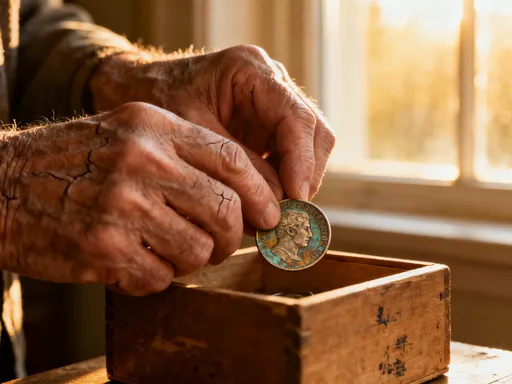
How I Keep My Coin Collection Costs Low Without Sacrificing Value
Ever feel like your coin collection is slowly draining your wallet? I’ve been there—overpaying, impulse buying, chasing shiny rarities. It took a few costly mistakes to realize that smart collecting isn’t about spending more, but controlling costs wisely. In this article, I’ll walk you through the real strategies I use to build value without overspending. From timing purchases to avoiding emotional traps, these methods helped me preserve cash while growing a meaningful collection. Let’s break down how you can collect smarter, not harder.
The Hidden Costs of Coin Collecting
Coin collecting is often seen as a quiet hobby, one that involves browsing through catalogs, visiting small shops, or browsing online listings in search of rare finds. What many newcomers fail to see is that the true cost of collecting extends far beyond the initial purchase price. Storage, authentication, insurance, trading fees, and even transportation to shows or auctions all add up—sometimes silently, but always steadily. These hidden expenses can erode the financial value of a collection over time, especially when they go unnoticed or unaccounted for in a budget.
Take storage, for example. A collector might assume that a simple plastic case or a soft pouch is enough to protect a coin. While that may be true in the short term, over years or decades, improper storage can lead to toning, scratches, or environmental damage that reduces a coin’s grade and, therefore, its market value. Professional holders and climate-controlled environments are safer, but they come at a cost. Authentication services like PCGS or NGC charge fees per coin, and while they add credibility, those charges accumulate quickly—especially for collectors acquiring multiple pieces at once. Insurance, too, is often overlooked. A growing collection might reach a value that warrants coverage, but premiums depend on appraisal values, which must be updated periodically, requiring more fees.
Then there are transaction costs. Buying through online auctions often involves buyer’s premiums—sometimes 15% or more on top of the hammer price. Selling through dealers or auction houses comes with similar deductions. Even trading with other collectors can carry implicit costs if one party undervalues a piece or if authentication is needed after the exchange. These small percentages may seem negligible on a single transaction, but over time, they can represent a significant portion of a collector’s total outlay. The key is awareness: understanding where money flows out helps identify leaks and implement strategies to stop them. Without this awareness, even a seemingly modest hobby can become a financial burden.
Setting a Realistic Budget That Actually Works
A budget in coin collecting should not be a rigid ceiling, but a flexible framework that supports both discipline and opportunity. Many collectors set a monthly spending limit—say, $100 or $500—and feel they’ve done their due diligence. But a truly effective budget goes deeper. It accounts for goals, time horizons, and unexpected openings in the market. A well-structured financial plan allows a collector to stay within their means while still being ready when a rare or undervalued coin becomes available.
The first step is defining the purpose of the collection. Is it for long-term appreciation, personal enjoyment, or eventual inheritance? Each goal influences how funds should be allocated. A collector focused on future value might prioritize certified, high-grade coins, even if they cost more upfront. Someone collecting for personal satisfaction may choose to spread spending across more accessible pieces, such as circulated coins or thematic sets. By aligning the budget with the collection’s intent, spending becomes more intentional and less reactive.
Next, divide the budget into categories. One portion can be reserved for entry-level acquisitions—coins that build knowledge and variety without stretching finances. Another segment might be a “premium reserve” for occasional high-value purchases, funded gradually over time. This approach prevents the temptation to overspend on a single item by spreading out the saving process. It also creates breathing room for market fluctuations. For instance, if rare coin prices rise due to increased demand, having a reserve allows a collector to wait rather than overpay in a heated moment.
Equally important is building in a buffer—say, 10% to 15% of the total budget—for unforeseen costs like grading, shipping, or appraisal updates. This buffer prevents the need to dip into personal savings or go over budget when unexpected fees arise. A dynamic budget, reviewed quarterly or biannually, allows for adjustments based on changes in income, market conditions, or collecting focus. The goal is not to restrict enjoyment, but to ensure that every dollar spent contributes meaningfully to the collection’s growth and sustainability.
Timing the Market: When to Buy (and When to Walk Away)
Patience is one of the most powerful tools in a coin collector’s arsenal. Unlike stocks or commodities, rare coins don’t trade on a centralized exchange, but they still follow market rhythms. Prices rise and fall based on collector demand, economic conditions, and the release of new editions. Recognizing these patterns allows a collector to buy at lower points and avoid paying a premium during peak interest periods.
One clear indicator is the auction cycle. Major auction houses often hold themed sales—such as U.S. silver dollars or ancient coins—twice a year. When a high-profile auction is announced, prices for similar coins in the secondary market can rise as collectors position themselves to compete. Waiting a few weeks after the auction ends often reveals a softening in prices, as demand cools and sellers adjust. This lag creates a window for more favorable purchases, especially for pieces not included in the headline lots.
Economic factors also play a role. During periods of inflation or financial uncertainty, precious metal prices tend to rise, pulling up the value of bullion-based coins. While this can be good for existing holdings, it makes entry or expansion more expensive. A smart collector might delay new purchases until metal prices stabilize or even decline slightly. Similarly, new coin releases from mints—such as limited-edition commemoratives—often see inflated prices in the first few months due to initial hype. Over time, if demand doesn’t sustain, prices can drop significantly. Those who wait can acquire the same coin for a fraction of the launch price.
Another timing strategy involves tracking collector sentiment. Online forums, price guides, and dealer inventories can signal whether a particular series or type is in high demand. When everyone is chasing a specific coin, prices rise, and competition increases. Stepping back during these moments, even if a coin seems desirable, prevents overpaying. Walking away is not failure—it’s strategy. The market is cyclical, and most coins reappear. The collector who waits often pays less and gains more long-term value.
Sourcing Smart: Where to Find Value Without the Markup
Where you buy your coins matters as much as when and what you buy. Different sourcing channels come with varying levels of cost, risk, and potential reward. Local coin shops offer face-to-face interaction and the chance to inspect coins in person, but they often carry higher markups to cover overhead. Online marketplaces provide convenience and broader selection, but require more diligence in verifying seller reputation and authenticity. Each channel has its place, but using them strategically maximizes value and minimizes cost.
Local coin shops can be excellent resources, especially for beginners. A trusted dealer can offer guidance, show multiple options, and allow immediate purchase without shipping delays. However, prices at brick-and-mortar stores are typically 10% to 20% above wholesale. To avoid overpaying, it’s wise to research recent sale prices using guides like the Numismatic Guaranty Company (NGC) Price Guide or Professional Coin Grading Service (PCGS) CoinFacts. This knowledge empowers collectors to negotiate or walk away if a price seems too high. Building a relationship with a dealer can also lead to better deals—such as first access to new inventory or discounts on multiple purchases.
Online auctions, including platforms like eBay or Heritage Auctions, offer competitive pricing due to broader participation. However, buyer’s premiums and shipping costs can add 15% to 25% to the final price. To source wisely, collectors should focus on sellers with high ratings, detailed photos, and clear return policies. Bidding near the end of an auction, rather than early, can also prevent price inflation caused by bidding wars. Collector forums and clubs are another valuable source. Members often trade among themselves at closer to wholesale prices, sometimes without fees. These communities also provide access to expert opinions and shared knowledge, reducing the risk of buying counterfeits or overgraded coins.
Estate sales and auctions are often overlooked but can yield hidden gems. Families liquidating a relative’s collection may not know the true value of the coins, leading to underpriced lots. While due diligence is essential—especially without grading—these settings can offer significant savings. The key is preparation: knowing what to look for, carrying a magnifier, and having reference materials on hand. By diversifying sourcing methods and using each channel according to its strengths, collectors can consistently find value while avoiding unnecessary markups.
Avoiding Emotional Traps That Inflate Spending
One of the most common reasons collectors overspend is emotion. The allure of rarity, the nostalgia of a childhood coin, or the fear of missing out on a “once-in-a-lifetime” deal can override rational decision-making. These psychological triggers are powerful, and they often lead to purchases that don’t align with a collector’s budget or long-term goals. Recognizing these emotional traps is the first step toward avoiding them.
FOMO—fear of missing out—is perhaps the most dangerous. When a rare coin appears in an auction or on a dealer’s list, the thought of losing it to someone else can create urgency. This pressure leads to impulsive bidding or quick purchases without proper research. A simple but effective countermeasure is the cooling-off period. Wait 24 to 48 hours before making any high-value purchase. Use that time to check recent sale prices, consult with other collectors, or reassess whether the coin fits your collection plan. More often than not, the urgency fades, and a clearer perspective emerges.
Completion syndrome is another trap. Collectors may feel compelled to finish a series, even if the final coin is overpriced or difficult to authenticate. The desire for completeness can justify spending far more than a coin is worth. To combat this, set clear criteria for what constitutes a “complete” set. Is it necessary to have every coin in mint state, or is a circulated version acceptable? Being flexible on condition or edition can save hundreds or even thousands of dollars.
Brand bias also influences spending. Coins from well-known mints like the U.S. Mint or the Royal Canadian Mint often carry a premium simply because of their reputation. While these coins are generally reliable, lesser-known mints or private issues can offer similar quality at lower prices. Evaluating a coin based on its individual merits—grade, rarity, demand—rather than its origin helps maintain objectivity. Using a checklist for every potential purchase—rating factors like price relative to value, condition, and long-term potential—creates a structured decision-making process that reduces emotional influence.
Preserving Value Without Overspending on Protection
Protecting a coin collection does not require luxury storage or excessive spending. The goal is to balance safety with cost-effectiveness. Over-investing in high-end cases, vaults, or insurance can drain resources without adding proportional value. Instead, smart collectors use practical, scalable solutions that grow with their collection.
Storage is the foundation. Hard plastic holders, known as flips or 2x2s, are inexpensive and suitable for short-term use. For long-term preservation, inert plastic slabs from reputable grading services offer superior protection against handling and environmental damage. However, not every coin needs to be slabbed. High-value or rare coins benefit most from professional encapsulation, while common or lower-value pieces can be safely stored in acid-free albums or archival boxes. The key is prioritizing based on value and risk.
Grading is another area where cost control matters. Submitting every coin for third-party grading is expensive and often unnecessary. Circulated coins or duplicates in a collection rarely gain enough value to justify the fee. Reserve grading for coins that are likely to increase in worth when certified—such as uncirculated or potentially rare pieces. Even then, compare grading service fees and turnaround times to get the best value. Some collectors wait for promotional pricing or bulk submission events to reduce costs.
Insurance should reflect actual value and risk. A small collection kept in a home safe may not need a separate policy. For larger or more valuable collections, a rider on a homeowner’s policy is often more affordable than standalone numismatic insurance. Appraisals should be updated every few years, but only for coins that have likely appreciated. Over-insuring leads to higher premiums without real benefit. Similarly, security measures like safes or monitoring systems should match the collection’s worth. A $5,000 collection doesn’t need a $3,000 vault. Practical, proportionate protection ensures peace of mind without overspending.
Measuring Progress: Tracking Value Growth vs. Cost Control
Success in coin collecting should not be measured only by the total value of the collection, but by how efficiently that value was built. A collector who spends $10,000 to accumulate $12,000 in value has done well, but one who builds a $12,000 collection for $7,000 has done better. Tracking both acquisition costs and market value over time provides insight into financial efficiency and helps guide future decisions.
A simple tracking system can include a spreadsheet or dedicated software that records each purchase: date, coin description, grade, purchase price, and source. Periodically, update the current market value using reliable price guides or recent auction results. This allows you to calculate the return on investment for individual coins and the collection as a whole. More importantly, it reveals patterns—such as which sources yield the best prices, which types of coins appreciate fastest, or which emotional purchases underperformed.
This data-driven approach reinforces disciplined habits. Seeing how a rushed purchase led to a loss—or how waiting six months saved hundreds—strengthens commitment to cost control. It also highlights the importance of patience and research. Over time, the collector becomes more strategic, focusing on value acquisition rather than accumulation for its own sake.
Regular reviews, perhaps every six months, help assess progress toward goals. Has the collection grown in both size and value? Are costs staying within budget? Are emotional purchases decreasing? These reflections turn collecting from a hobby into a mindful financial practice. The most rewarding part is not just owning rare coins, but knowing you built something meaningful—without paying more than it was worth.