Youth on Repeat: How Smart Movement Keeps Aging at Bay
Aging is inevitable, but how we age is within our control. Science shows that the right kind of physical activity doesn’t just keep the body strong—it reshapes the aging process itself. From boosting cellular repair to maintaining mobility and energy, movement acts as a powerful shield against time. This article explores how targeted, sustainable exercise strategies can slow biological aging, enhance vitality, and help you feel years younger—backed by research, grounded in reality. For women in their 30s, 40s, 50s, and beyond, staying active isn’t about chasing youth; it’s about preserving strength, independence, and quality of life. The choices you make today shape how well you move, think, and thrive tomorrow.
The Aging Puzzle: What Really Changes in Your Body?
As the years pass, subtle yet significant changes occur within the body—changes that go far beyond gray hair or fine lines. Biological aging is marked by a series of internal shifts, many of which begin as early as midlife. One of the most critical processes is cellular senescence, where cells lose their ability to divide and begin to accumulate damage. These aging cells can trigger inflammation, contributing to chronic conditions such as arthritis, heart disease, and metabolic slowdown. At the same time, muscle mass begins to decline at a rate of about 3–8% per decade after age 30, a condition known as sarcopenia. This loss not only affects strength but also reduces metabolic rate, making weight management more challenging.
Another key factor is mitochondrial decline. Mitochondria are the energy powerhouses of cells, and as they become less efficient with age, fatigue becomes more common, even with minimal exertion. Joint degradation follows a similar path—cartilage wears down, tendons stiffen, and flexibility diminishes, increasing discomfort during daily activities. However, it’s essential to distinguish between chronological age, which is simply the number of years lived, and biological age, which reflects the body’s functional condition. Research from the Mayo Clinic and the American College of Sports Medicine consistently shows that lifestyle choices—especially physical activity—can significantly influence biological age. In fact, some individuals in their 60s have the cardiovascular fitness and muscle strength of people decades younger, thanks to consistent movement.
This leads to a powerful concept: exercise as medicine. Just as medication is prescribed to treat illness, structured physical activity can be used to prevent and manage age-related decline. Studies demonstrate that regular exercise improves insulin sensitivity, reduces systemic inflammation, and enhances immune function—all of which contribute to a slower aging process. Unlike pharmaceuticals, however, movement carries no harmful side effects when done correctly and offers benefits that extend beyond the physical, touching emotional well-being and cognitive sharpness. The evidence is clear: while we cannot stop time, we can influence how it affects our bodies through smart, consistent action.
Why Movement Matters More Than You Think
Modern life often encourages stillness—long hours at desks, commuting in cars, and leisure spent on screens. Yet this sedentary lifestyle is one of the most significant accelerators of biological aging. When the body remains inactive for prolonged periods, cellular processes begin to deteriorate. One of the most telling signs is telomere shortening. Telomeres are protective caps at the ends of chromosomes that shorten each time a cell divides. Shorter telomeres are associated with aging and increased risk of disease. However, a landmark study published in the British Journal of Sports Medicine found that individuals who engaged in regular moderate-to-vigorous physical activity had significantly longer telomeres than their sedentary counterparts—equivalent to being biologically up to nine years younger.
Beyond telomeres, inactivity suppresses autophagy, the body’s natural process of clearing out damaged cells and regenerating new ones. Think of autophagy as the body’s internal recycling system—essential for maintaining cellular health. Exercise stimulates this process, helping to remove dysfunctional components before they contribute to disease. At the metabolic level, physical inactivity leads to insulin resistance, fat accumulation, and reduced cardiovascular efficiency. These changes increase the risk of type 2 diabetes, hypertension, and stroke—all conditions that compromise both lifespan and quality of life.
On the other hand, those who remain active experience profound benefits. Older adults who walk regularly, for example, show better balance, reduced frailty, and stronger bones. A study from the National Institute on Aging found that women over 65 who walked briskly for 30 minutes five days a week were 40% less likely to experience serious falls than those who were inactive. Additionally, movement supports brain health. Aerobic exercise increases blood flow to the brain and promotes the growth of new neurons in the hippocampus, the region responsible for memory and learning. This may explain why physically active individuals have a lower risk of cognitive decline and dementia. The message is clear: movement is not just about fitness—it’s about preserving function, independence, and mental clarity as the years go by.
The Four Pillars of Anti-Aging Exercise
To truly combat the effects of aging, a well-rounded fitness routine must include more than just one type of activity. Experts from the American College of Sports Medicine recommend a balanced approach built on four essential components: strength training, aerobic conditioning, flexibility work, and neuromotor exercise, which includes balance and coordination. Each of these pillars targets a different aspect of physical decline, working together to maintain overall function and resilience. Imagine your body as a high-performance machine: strength training is like maintaining the engine, cardio keeps the fuel system efficient, flexibility ensures the joints move smoothly, and balance training fine-tunes the control systems. Neglecting any one of these areas can lead to preventable decline.
Strength training preserves muscle mass and bone density, both of which naturally decrease with age. Without resistance exercise, muscle loss accelerates, leading to weakness and increased fall risk. Aerobic conditioning, meanwhile, supports heart and lung health, enhancing endurance and energy levels. Flexibility prevents stiffness and improves range of motion, making everyday movements easier and reducing discomfort. Finally, neuromotor exercises—such as standing on one leg or walking heel-to-toe—improve stability and coordination, which are critical for preventing falls, a leading cause of injury in older adults. A study published in the Journal of the American Geriatrics Society found that older adults who engaged in all four types of exercise reduced their fall risk by up to 37% compared to those who focused on only one or two.
The beauty of this four-pillar model is its adaptability. It can be tailored to any fitness level, from beginners to seasoned exercisers. You don’t need a gym or expensive equipment—bodyweight exercises, walking, stretching, and simple balance drills can be done at home. The key is consistency and variety. By incorporating all four elements into your weekly routine, you create a comprehensive defense against the physical effects of aging. This holistic approach doesn’t just help you look better; it helps you live better, with greater independence and confidence in your body’s abilities.
Strength Training: The Fountain of Youth You Can’t Ignore
Among the most powerful tools for slowing aging is strength training. Often misunderstood as a pursuit for the young or athletic, resistance exercise is, in fact, one of the most effective ways for women over 30 to maintain vitality. Its primary benefit lies in combating sarcopenia—the progressive loss of muscle mass and strength. After age 30, muscle tissue diminishes at a rate that can exceed 5% per decade without intervention. This loss isn’t just cosmetic; it directly impacts metabolism, posture, and functional independence. Muscle is metabolically active, meaning it burns calories even at rest. When muscle mass declines, so does resting metabolic rate, making weight gain more likely even with unchanged eating habits.
Strength training reverses this trend. By placing controlled stress on muscles, it stimulates growth and repair, leading to stronger, denser tissue. Over time, this not only improves physical appearance but also enhances functional strength—making tasks like lifting groceries, climbing stairs, or playing with grandchildren easier and safer. Additionally, resistance exercise significantly benefits bone health. The mechanical load placed on bones during weight-bearing exercises like squats, lunges, or resistance band work triggers bone remodeling, increasing density and reducing the risk of osteoporosis. This is especially important for women, who are at higher risk of bone loss after menopause due to declining estrogen levels.
For best results, experts recommend engaging in strength training exercises 2–3 times per week, targeting all major muscle groups. This includes the legs, back, chest, shoulders, arms, and core. Exercises can be performed using bodyweight (such as wall push-ups or chair squats), resistance bands, dumbbells, or household items like water bottles. The focus should be on proper form and gradual progression rather than intensity. Starting with one set of 10–15 repetitions per exercise is sufficient, with the goal of increasing resistance or volume over time. Safety is paramount, especially for those with joint concerns. Low-impact options such as seated resistance exercises or water-based strength training can provide effective alternatives. The goal is sustainability—building a routine that can be maintained for years, not weeks.
Cardio That Counts: Finding the Sweet Spot for Longevity
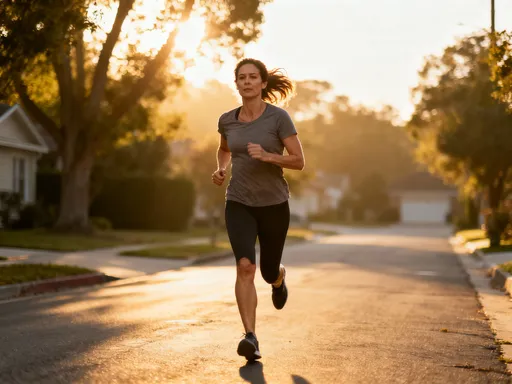
Cardiovascular exercise is another cornerstone of healthy aging, offering far-reaching benefits for the heart, lungs, and brain. The World Health Organization and the American College of Sports Medicine recommend at least 150 minutes of moderate-intensity aerobic activity or 75 minutes of vigorous activity per week for adults. This doesn’t require intense workouts—brisk walking, cycling, swimming, or even dancing can meet these guidelines. The key is consistency and effort level. Moderate activity should raise your heart rate and make you breathe harder, but still allow you to speak in short sentences. Vigorous activity makes conversation difficult and significantly increases breathing and heart rate.
Regular cardio strengthens the heart muscle, improves circulation, and enhances oxygen delivery throughout the body. Over time, this leads to lower resting heart rate, reduced blood pressure, and improved cholesterol profiles—all of which lower the risk of heart disease, the leading cause of death in women. Beyond the heart, aerobic exercise supports lung capacity, making daily activities less taxing. It also plays a crucial role in brain health. Studies show that aerobic activity increases the size of the hippocampus, improves memory, and reduces the risk of neurodegenerative diseases. A 2020 study in Neurology found that women who maintained good cardiovascular fitness in midlife were 88% less likely to develop dementia later in life compared to those with low fitness levels.
Finding enjoyable forms of cardio is essential for long-term adherence. Walking is one of the most accessible and well-researched options. A study from Harvard Medical School found that women who walked 30 minutes a day had a 35% lower risk of coronary events than those who were inactive. Other options include swimming, which is gentle on joints, or cycling, which builds leg strength while improving endurance. The goal is to integrate movement into daily life—parking farther from store entrances, taking the stairs, or scheduling walking meetings. These small changes add up, creating a lifestyle that naturally supports heart and brain health without requiring drastic overhauls.
Flexibility & Balance: The Silent Guardians of Independence
While strength and cardio often receive the most attention, flexibility and balance are equally vital for healthy aging—yet frequently overlooked. Stiffness and poor balance are not just inconveniences; they are predictors of functional decline. As we age, connective tissues lose elasticity, joints become less mobile, and neuromuscular coordination diminishes. These changes increase the risk of falls, which can lead to fractures, hospitalization, and loss of independence. According to the Centers for Disease Control and Prevention, one in four adults over 65 falls each year, and falls are the leading cause of both fatal and non-fatal injuries in this age group. Many of these incidents could be prevented with simple balance and flexibility routines.
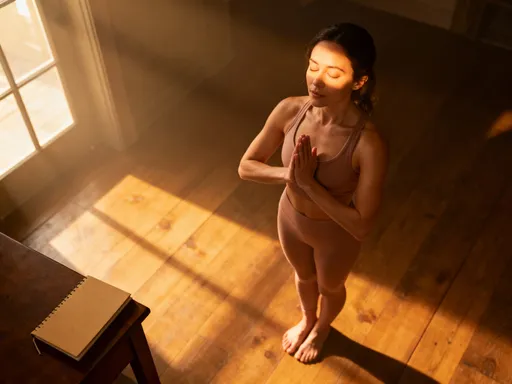
Flexibility training helps maintain range of motion, reducing strain on joints and improving posture. Dynamic stretching—such as arm circles or leg swings—should be done before physical activity to prepare muscles for movement. Static stretching—holding a stretch for 15–30 seconds—works best after exercise when muscles are warm. Targeting major areas like the hamstrings, hips, shoulders, and back can alleviate everyday discomfort and improve mobility. Practices like yoga and tai chi combine stretching with breath control and mindfulness, offering both physical and mental benefits. Clinical studies have shown that older adults who participate in regular yoga sessions experience significant improvements in balance, flexibility, and even sleep quality.
Balance training is equally important. Simple exercises such as standing on one leg, heel-to-toe walking, or using a foam pad can enhance stability over time. Tai chi, in particular, has been extensively studied for its fall-prevention benefits. A meta-analysis published in the Journal of the American Medical Association found that tai chi reduced fall risk by 43% in older adults. These practices strengthen the small stabilizing muscles, improve proprioception (the body’s awareness of its position in space), and sharpen neural pathways involved in coordination. By dedicating just 10–15 minutes a day to flexibility and balance, individuals can significantly improve their safety and confidence in daily movements, preserving independence well into later years.
Making It Stick: Building a Routine That Lasts
Knowing what to do is only half the battle—the real challenge lies in consistency. Many women start exercise programs with enthusiasm but struggle to maintain them due to time constraints, lack of motivation, or physical discomfort. The key to long-term success is not intensity but sustainability. One effective strategy is habit stacking—linking a new behavior to an existing one. For example, doing a few stretches after brushing your teeth or taking a short walk after dinner creates natural cues that reinforce the habit. Tracking progress, whether through a journal or a simple calendar, also boosts motivation by providing visible evidence of commitment.
Social support plays a powerful role as well. Exercising with a friend, joining a walking group, or participating in a community fitness class increases accountability and makes physical activity more enjoyable. For those managing joint pain or fatigue, it’s important to listen to the body and modify activities as needed. Low-impact options like swimming, cycling, or chair-based exercises can provide effective workouts without strain. The goal is not perfection but regular engagement. Even 10-minute bouts of activity count toward weekly goals and contribute to long-term benefits.
Another crucial factor is mindset. Viewing exercise not as a chore but as an act of self-care shifts its perceived value. Each movement becomes a gift to your future self—a way to ensure you can continue doing the things you love. Setting realistic, process-oriented goals—such as “I will walk three times this week” rather than “I will lose 10 pounds”—helps maintain focus and reduces discouragement. Over time, these small, consistent actions build resilience, energy, and confidence, creating a positive feedback loop that makes staying active easier and more rewarding.
Conclusion: Move Now, Age Gracefully Later
Exercise is not about turning back the clock or achieving a certain appearance. It is about investing in your healthspan—the number of years you live in good health, free from disability and dependence. The choices you make today shape how well you function tomorrow. By embracing a balanced routine that includes strength, cardio, flexibility, and balance training, you equip your body to age with strength, stability, and vitality. Science confirms that movement is one of the most powerful tools available to slow biological aging, protect cognitive function, and maintain independence.
There are no shortcuts, but there is a clear path: start where you are, use what you have, and do what you can. Whether it’s a daily walk, a few strength exercises at home, or a tai chi session in the park, every effort counts. The cumulative effect of consistent, smart movement is profound—not just in how long you live, but in how well you live. This is the true promise of fitness: not youth, but resilience. Not perfection, but presence. By moving with purpose today, you build a future defined not by limitations, but by possibility.